

Executive & Clinical Governance Team
The clinicians and executives accountable for what this organisation treats, what it declines to treat, and the standard applied at every site.
Triple Helix Science develops and delivers gene and cell therapy across seventeen clinical divisions and multiple jurisdictions. That combination — developing a therapy and also administering it — places a particular weight on governance, because the organisation proposing an investigational treatment is the same one assessing whether a patient should receive it.
The structure below exists to keep those two functions separable. Clinical authority sits with the Chief Medical Officer rather than with the division proposing a protocol. Patient Affairs reports outside both the clinical and commercial lines. Eligibility criteria are set before a patient is assessed, not adjusted afterwards. None of this is unusual in institutional medicine; stating it plainly on a team page is.
VERIFIABLE CLINICAL CREDENTIALS & INSTITUTIONAL MANDATES
Executive & Clinical Leadership
Every clinician named on this page holds an active licence in the jurisdictions where they practise, and treats patients only within their scope of practice and licensure. Investigational protocols are approved by the Chief Medical Officer independently of the division proposing them, and are subject to independent ethics review. Patients are declined where assessment does not support treatment, and that decision rests with the clinical governance function rather than with any commercial or divisional interest.
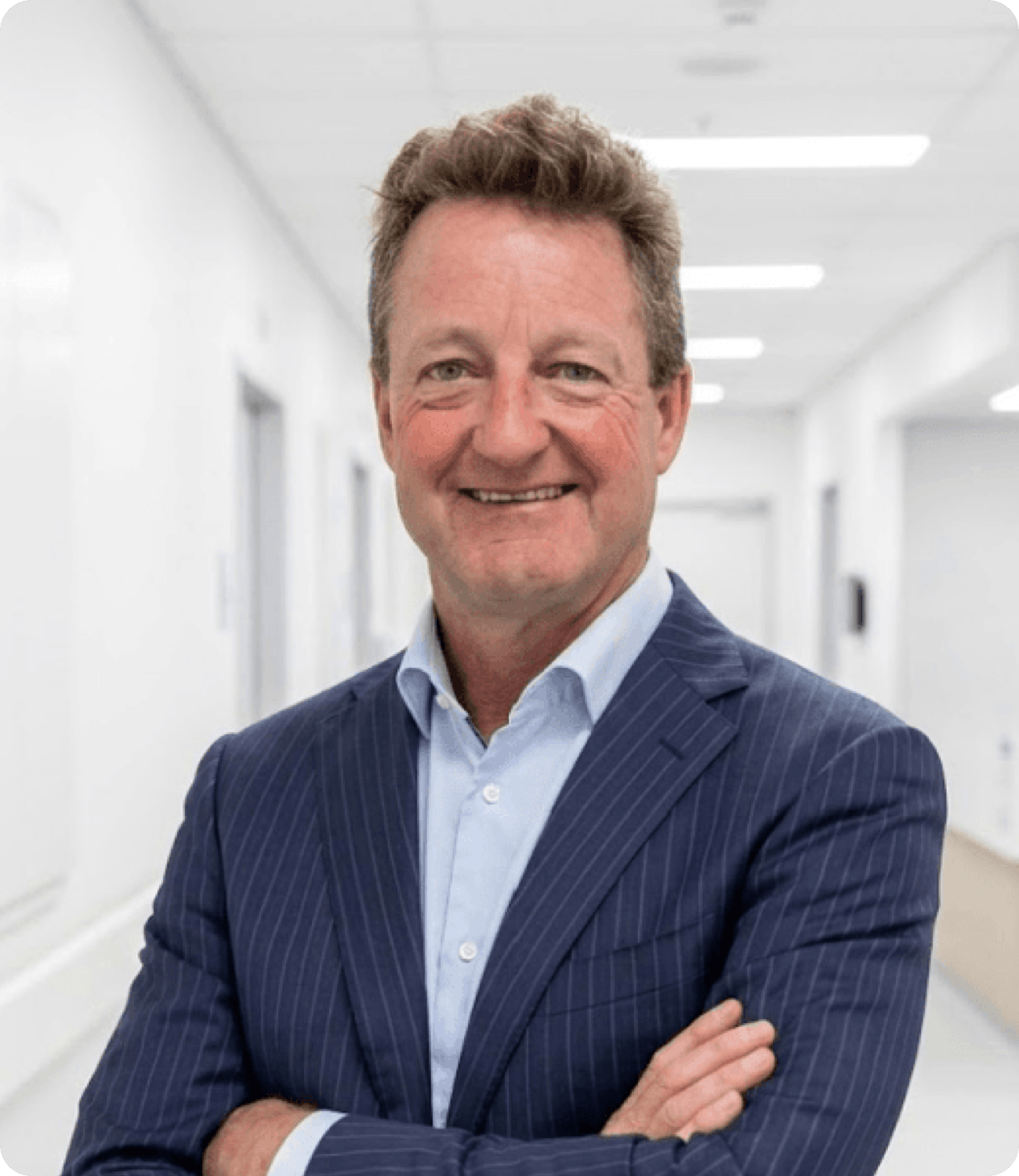
Dr. Patrick E. Sewell, MD
MD · Interventional Oncology & Radiology“The genome is not a mystery to be solved — it is an instruction set to be read.”
Physician-scientist and interventional radiologist. Founder of Triple Helix Science, where he leads the gene and cell therapy programmes across the group’s clinical divisions and its manufacturing operations. Practises in interventional oncology, neuro-interventional radiology, and vascular and body interventional radiology. Dr. Sewell founded Triple Helix Science to close a specific gap: the distance between a gene therapy that works in the laboratory and one that reaches the tissue it was designed for, in a patient, at a concentration that does something. His clinical background is in interventional radiology and interventional oncology — disciplines built around exactly that problem — and the group’s platform reflects it, treating delivery as the engineering constraint rather than an implementation detail. He holds United States patent 12,564,646 (granted March 2026), covering intranasal AAV administration of hTERT and Klotho for age-related cognitive decline. He is the author of eight books and more than eighty peer-reviewed papers across gene therapy, longevity biology, interventional oncology, and regenerative medicine, and serves as a peer reviewer for the Journal for ImmunoTherapy of Cancer. ORCID: 0009-0009-9934-050X (https://orcid.org/0009-0009-9934-050X)
Governance & Clinical Roles
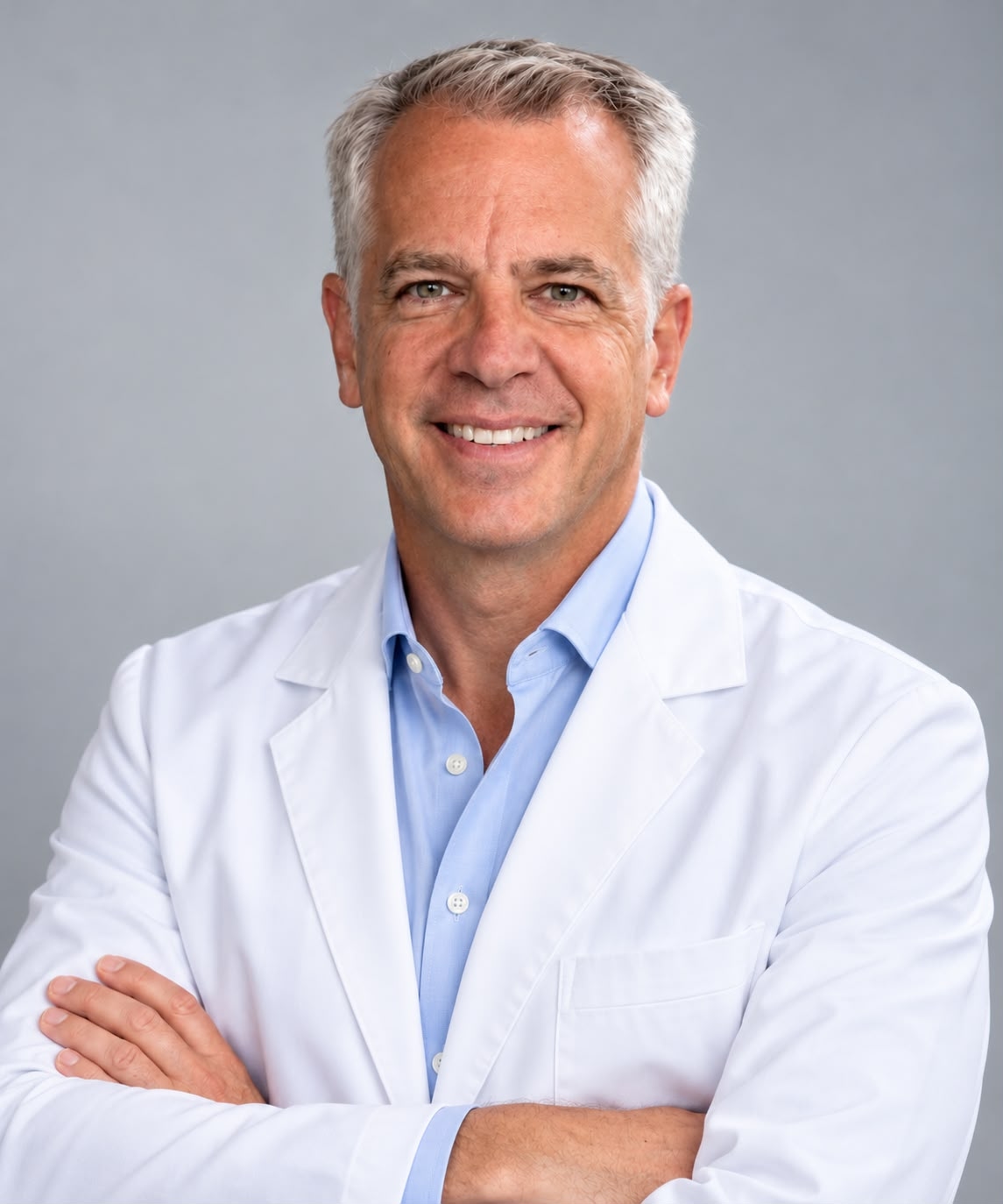
The Chief Operating Officer carries the work between a decision and its delivery: clinical operations across the group’s sites, the protocols and quality systems the divisions run under, and the coordination of manufacturing against clinical schedules. In an organisation operating across multiple jurisdictions with different regulatory requirements, the operating function is what keeps one internal standard applied everywhere rather than a different standard at each site. Co-author on group work in thymic restoration and delivery adjuncts.
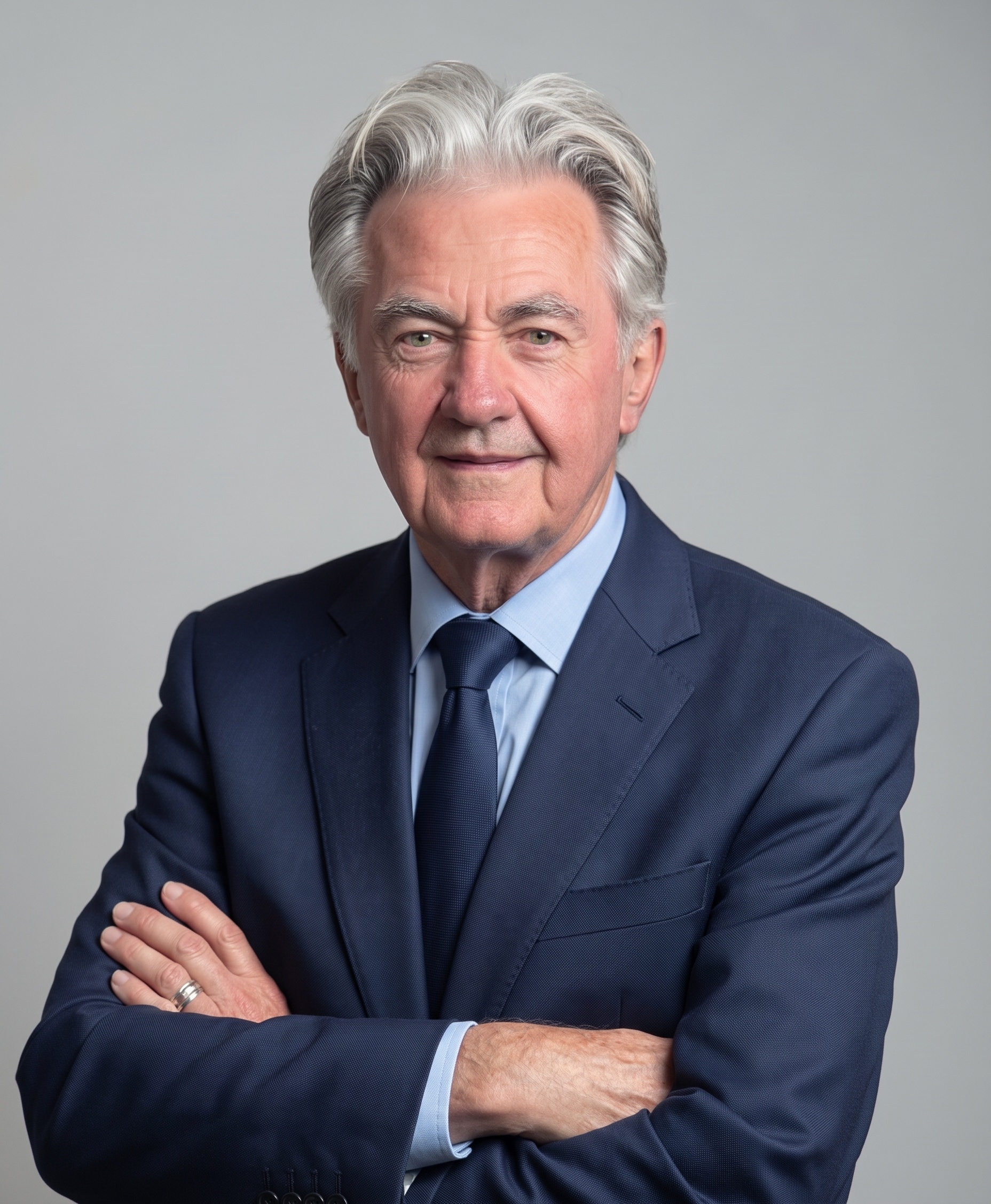
The Chief Medical Officer holds clinical authority across the group: standards of care, the criteria by which patients are accepted or declined, safety oversight and adverse event review, and the separation between established treatment and investigational protocol. Where a division proposes an investigational approach, this office is the check on it — because a governance structure with no stated authority to refuse is not a governance structure. Clinical background in psychiatry, neurology, and addiction medicine.

Clinical Affairs runs the operational spine of patient care: intake assessment, protocol scheduling, clinical documentation, and the follow-up that gene therapy requires over years rather than weeks. Long-term follow-up is a regulatory expectation that most organisations meet on paper and lose in practice; this function is what makes it real.
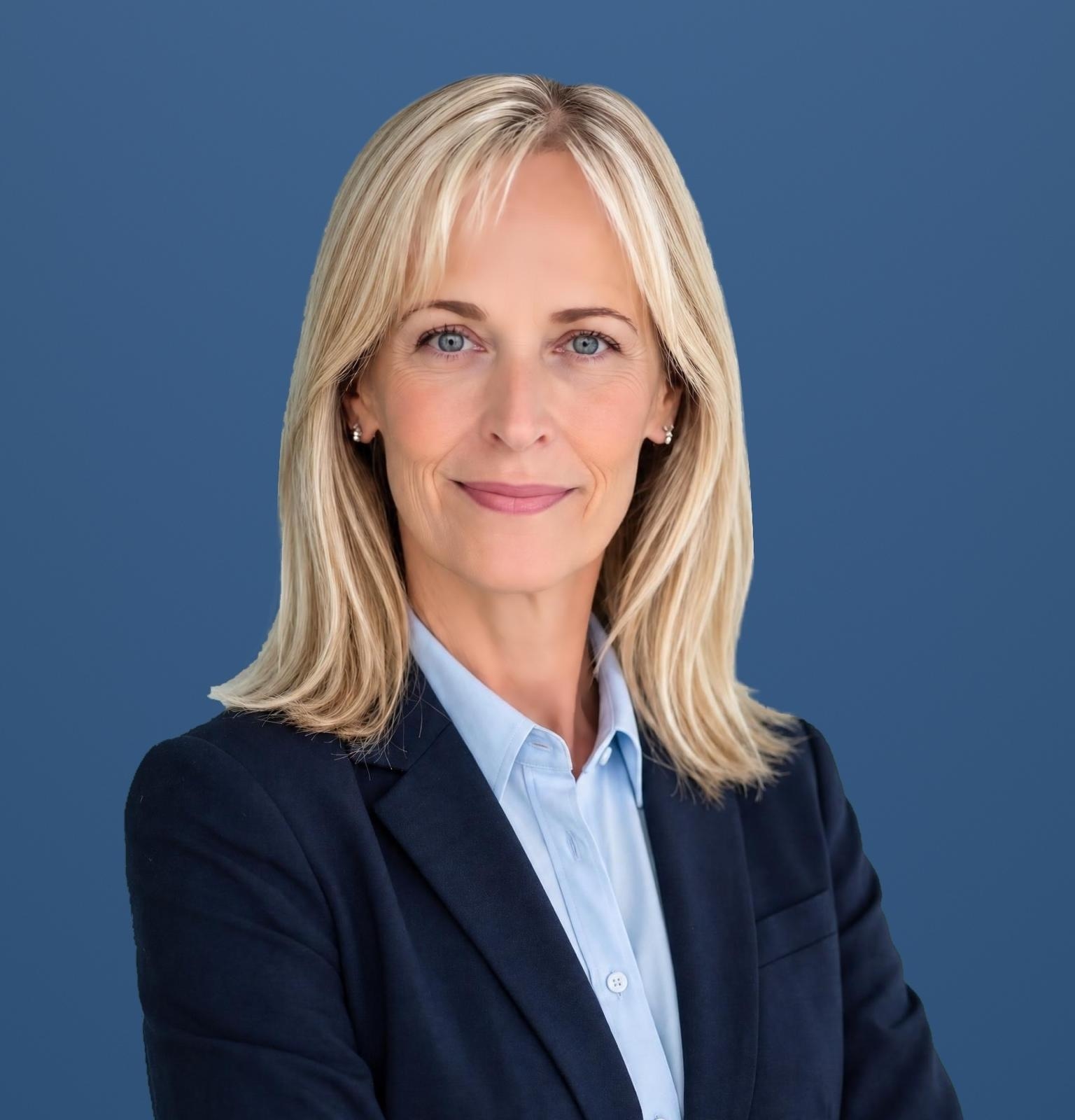
Anja leads the Triple Helix Science USA office, bringing more than 20 years of experience in operations and project management. She is responsible for the patient pathway from first contact to treatment plan and built the company's intake and medical records processes. She oversees patient privacy and compliance and is the primary contact for patients, families, and referring and treating physicians.

Hashim works closely with the entire organization to execute on strategic plans. He leads commercial operations, manages institutional and partnership relationships, supports clinical delivery, and oversees the corporate infrastructure across jurisdictions — entity structure, contracting, and the administrative requirements that differ in every country the group operates in. He also serves as Managing Director of Triple Helix Veterinary.
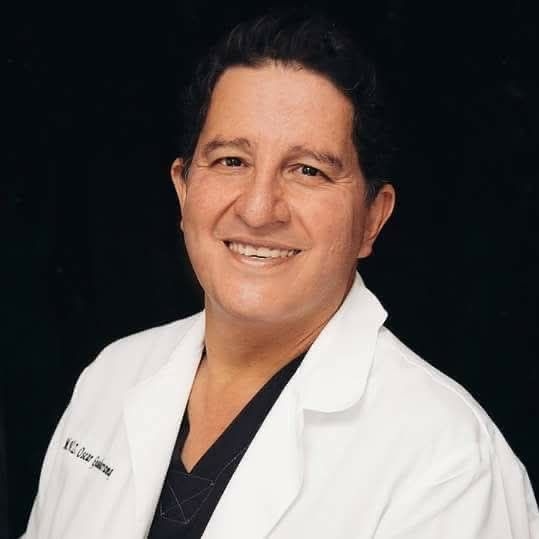
Leads veterinary research and therapy across Triple Helix Veterinary, applying the group’s regenerative and gene therapy platforms to companion animals. General Director of Intermédica Veterinaria and Medical Director of MEREVET Veterinary Regenerative Medicine, where he developed protocols for growth factors and stem cell therapy in animal patients. Member of the Latin American Stem Cell Society (SOLCEMA) and founding member of the International Society of Regenerative Medicine.

Regional direction for Latin America: clinical site relationships, regulatory engagement, and partner coordination across the region, including the Mexico operations and the Panama site. Regional directors hold the local knowledge that determines whether a protocol can run in a given country at all — the pathways are not interchangeable between jurisdictions, and treating them as though they are is how programmes stall.

Connect with Our Governance Office
Inquire regarding clinical governance standards, institutional review board filings, or physician credentialing.